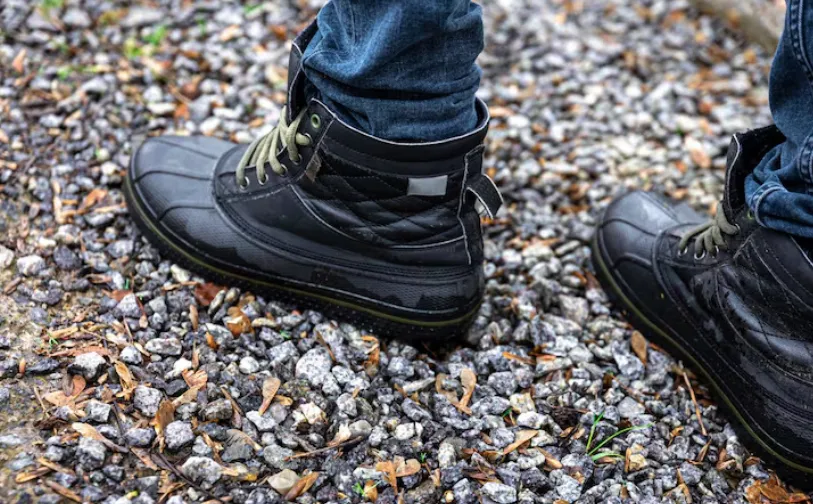
Your feet carry you through a lot every single day, and honestly, most people don’t think about their shoes until something starts to hurt. Whether you’re standing at a job site, walking through an airport, or just running errands around town, comfort matters way more than we usually give it credit for. A lot of folks don’t realise how much difference the right pair makes until they try on something built the right way, like a solid pair of Caterpillar boots, and suddenly walking feels like less of a chore. This article digs into what actually makes footwear comfortable, and why it matters for your daily grind.
Why Support Matters More Than Looks
Shoes that look nice but pinch your toes or squeeze your heel aren’t doing you any favours. Real comfort comes from support, not style points. Good arch support keeps your foot from rolling inward too much, which can lead to knee pain and even lower back trouble down the road. Cushioning in the sole absorbs shock every time your foot hits the ground, and over a full day of walking, that adds up to thousands of little impacts. Shoes with a wider toe box also let your feet spread out naturally instead of cramming your toes together, which honestly makes a bigger difference than most people expect.
Built For Long Hours on Feet
If your job has you on your feet for eight, ten, sometimes twelve hours, footwear stops being a fashion choice and becomes a tool you rely on. Work boots need thick soles that resist punctures, sturdy uppers that hold their shape, and enough breathing room so your feet don’t overheat by lunchtime. Weather is another thing people forget about until it’s too late, standing in a puddle with soaked socks is nobody’s idea of a good afternoon. That’s where something like Caterpillar waterproof boots comes in handy, since they’re made to keep moisture out while still letting your feet move naturally instead of feeling stiff and boxed in.
Travelling Without Foot Fatigue
Travel days are brutal on feet in a totally different way than work days are. You’re not always standing still, you’re rushing through terminals, climbing stairs, walking cobblestone streets in some old city, then sitting cramped on a plane for hours after. Lightweight shoes with flexible soles tend to do better here because they bend with your natural stride instead of fighting against it. Slip-resistant treads help too, especially if you end up somewhere rainy or on tile floors that get slick. Packing one pair that handles walking, a little rain, and long hours without complaint saves a ton of suitcase space anyway.
Everyday Comfort for Casual Wear
Not every day is a marathon of walking or a twelve-hour shift, sometimes you just need shoes for the school run, grocery store, or a lazy weekend stroll. Even then, comfort shouldn’t take a back seat. Soft insoles, breathable materials, and a shoe that doesn’t rub in weird spots make casual days feel easier too. A lot of people underestimate how much bad casual shoes contribute to sore feet by evening, even on days that felt pretty low key. Little things, like a slightly padded collar around the ankle or a flexible heel, quietly make a big difference without you even noticing why your feet feel better.
The Role of Materials and Build Quality
Cheap materials wear down fast, and once the cushioning flattens or the sole starts cracking, comfort goes right out the window. Leather and quality synthetic blends tend to hold their shape longer and mold to your foot over time, almost like they get to know you a little. Stitching matters too, loose threads or weak seams are usually the first sign a shoe won’t last through rough daily use. Rubber outsoles with deep tread patterns grip better on wet or uneven ground, which keeps you steadier whether you’re on a job site or wandering somewhere new. Spending a bit more upfront on solid construction usually saves money later since you’re not replacing shoes every few months.
Choosing Shoes for Your Lifestyle
Everyone’s daily routine looks different, so the best shoe really depends on what your feet actually go through. Someone standing on concrete all day needs different support than someone who mostly walks on grass or pavement during a morning jog. Think about your usual environment, wet, dry, hot, cold, rough terrain or smooth floors, and let that guide what you pick. Trying shoes on later in the day is a smart move too, since feet naturally swell a little as the hours pass, so a shoe that fits perfectly at 9 am might feel snug by 5 pm if you didn’t account for that.
Conclusion
At the end of the day, comfortable footwear isn’t about chasing trends, it’s about picking something that actually supports how you live. Whether you’re working long shifts, travelling across time zones, or just walking the dog around the block, your feet deserve shoes built with real thought behind them. Good support, solid materials, and the right fit make every step easier. For more options that fit walking, work, and travel needs, fitnshoes.com is worth checking out when you’re ready to upgrade your everyday pair.
