Category:

Uncategorized

Burned Walking

Use charts and calculators to track calories by distance, time, or steps walked

Walking is an excellent form of exercise to build strong legs and healthy joints while also burning calories. Many people who start a walking program like to track their progress as they build mileage and increase their fitness levels.

Recognizing your distance and caloric intake burned while walking can help you achieve your goals. Read on to learn how to best track your efforts with calorie guides and calculators.

How to Count and Track Calories Burned Walking

How to Track Calories Burned While Walking

You can measure calories burned while walking using different types of data. For example, you might use your distance, workout duration, or pace to determine how many calories you burned and how hard you worked. Here are some ways you can track your walking calories.

Calories Per Mile While Walking

Use a calculator to determine calories burned while walking by entering your weight, approximate pace, and distance walked. How to Count and Track Calories Burned Walking

Calories Per Minute While Walking

To determine the number of calories you burn based on time, you’ll see the number varies based on factors including your weight and the pace at which you walk. For example, a 140-pound person burns about 4 calories per minute while walking 3 miles per hour. Therefore, in about 30 minutes, this person would burn roughly 112 calories. But a 200-pound person burns about 5 calories per minute or about 159 calories per 30-minute interval. How to Count and Track Calories Burned Walking

You can also use a pace calculator to enter your weight, pace, and minutes to calculate the distance walked and walking calories burned. Remember that these numbers are estimates and do not consider gender, incline, or wind resistance factors.

Calories Based on Step Count

View how many calories you burn based on your step count using a fitness tracker on your walking workouts. This calculation considers your weight and height to get an an approximation of the stride length. How to Count and Track Calories Burned Walking

For example, a 160-pound person who is 5′ 4″ tall would burn about 181 calories walking 5,000 steps. But a taller person (5′ 10 tall) who weighs the same amount would burn 198 calories walking the same number of steps.

Using Pace to Determine Calories Burned Walking

Numerous fitness professionals advise walking at a moderate pace. You might wonder whether your walking pace is fast, moderate, or easy. There are different ways to measure your pace based on miles or kilometers traveled.

Based on your walking intensity, you can estimate how long it will take for you to walk different distances. This information can help you to plan routes and walking workouts. How to Count and Track Calories Burned Walking

There are a variety of charts available that help you determine how long it will take to walk that distance at three different paces. You can see conversions from miles to kilometers and kilometers to miles.

How to Use a Fitness Tracker

Many fitness trackers will estimate your calories burned by exercise and total calories burned. For instance, if you wear a Fitbit, you will see its reading of your total calorie burn, including your basic metabolic rate and exercise calories. This enables you to balance the calories you eat against the calories burned.

Diet-friendly fitness trackers such as Fitbit and Garmin include or link to a food log app where you can track what you eat to balance those calories with what you burn. How to Count and Track Calories Burned Walking

One common app that links to many fitness trackers is MyFitnessPal. The best apps allow you to save common foods and meals and analyze recipes for calories and nutrition per serving. Many allow you to scan barcodes on the food you eat and include items from fast food and chain restaurants.

However, accuracy is always an issue with any calorie figure from fitness trackers. Calories shown on treadmills and other exercise machines may also overestimate or underestimate calories burned while walking. Be sure to input your correct weight as they often base the burn on that figure.  How to Count and Track Calories Burned Walking

A Word From Verywell

Keep in mind that the most effective workout regimen is the one that works for you. If you are just starting, you may want to choose one simple metric to track, such as the amount of time you walk each day and week. As you see changes and progress toward your goal, you can consider other metrics and track calories burned while walking.
0 comment
0 FacebookTwitterPinterestEmail
Avocado Nutrition

Some nutrition experts call the avocado a superfood. This flavorful fruit provides health benefits, such as cholesterol and blood sugar management, because it is a good source of fiber. But when you look at avocado nutrition, you might be surprised.

Not only are avocado calories high, but most of the calories come from fat. So should you include this fruit in a healthy, balanced diet? Many people do, nevertheless, if you’re counting calories and fat intake, you may decide to consume avocados in moderation.

Avocado Nutrition Facts and Health Benefits

Avocado Nutrition Facts

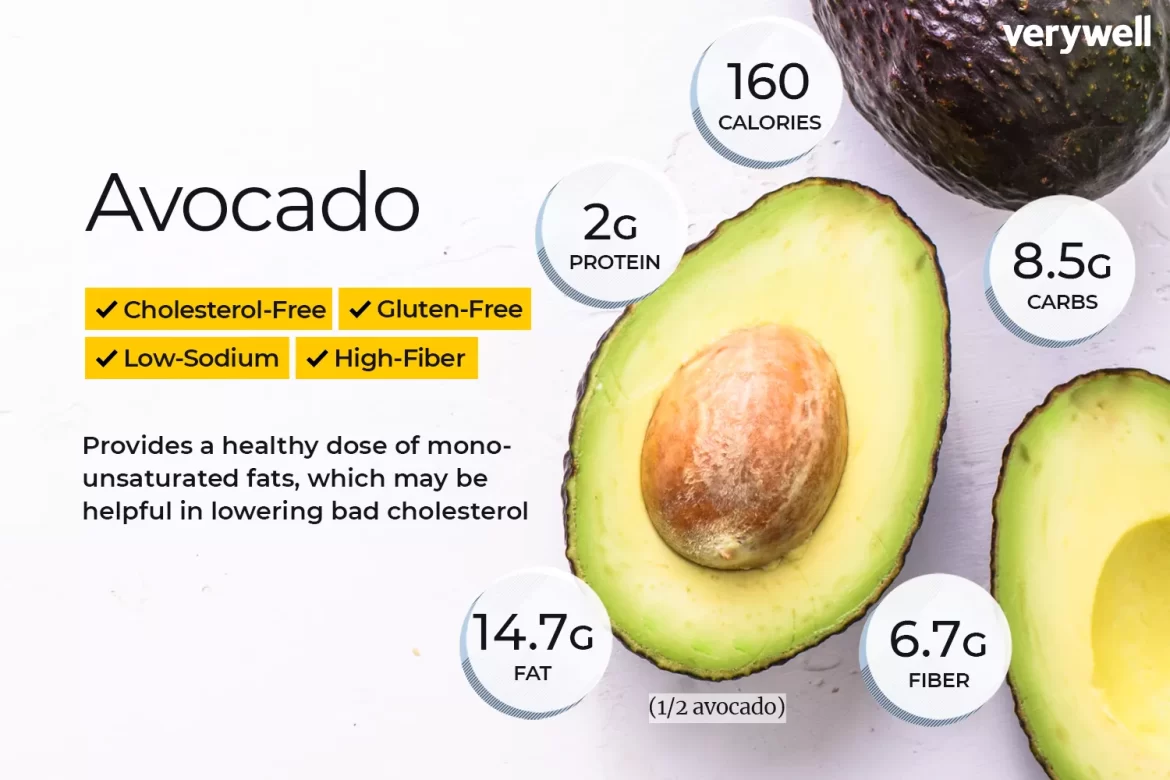
One-half of an avocado (100g) provides 160 calories, 2g of protein, 8.5g of carbohydrates, and 14.7g of fat. Avocados are an excellent nutritional source of magnesium, potassium, vitamin C, vitamin E, and vitamin K. The following nutrition information is for half of an avocado and is provided by the USDA.

Carbs

Most of the carbohydrates in an avocado come from fiber. A whole avocado provides about 17 grams of carbohydrate and 13.4 grams of fiber. Very little sugar is present in an avocado (less than one gram) and the rest of the carbohydrate in the fruit comes from starch. Avocado Nutrition Facts and Health Benefits

The glycemic index for avocado is estimated to be around zero, making it a low-glycemic food.

Fats

A whole avocado provides roughly 30 grams of fat, 4.2 grams of saturated fat, almost 20 grams of monounsaturated fat, and 3.6 grams of polyunsaturated fat. So, while most of the calories in an avocado come from fat, they are mostly in the form of healthier monounsaturated fat.

Protein

Half an avocado provides about 2 grams of protein. While it’s not a high-protein food, it can still help you meet your desired protein intake.

Vitamins and Minerals

If you consume a slice or two of avocado, it won’t provide substantial vitamins or minerals because the serving size is so small. However, an entire avocado is a good source of vitamins K, E, and C. An avocado also contains several important minerals and actually has more potassium than a banana. Avocado Nutrition Facts and Health Benefits

Vitamins and Minerals in avocados include:

  • Vitamin C
  • Vitamin E
  • Vitamin K
  • Folate (vitamin B9)
  • Niacin (vitamin B3)
  • Pantothenic Acid (vitamin B5)
  • Magnesium
  • Potassium
  • Copper
  • Manganese

Calories

The number of calories in an avocado will depend on its size. The avocado nutrition facts shown are for half of a medium-sized avocado, but many avocados are smaller and some can be much larger (up to 300 grams or more).

According to the USDA Nutrient Database, there are 322 calories in a larger (200 gram) avocado. In general, an average avocado ranges from 200 to 300 calories.

If you spread a thin layer of avocado on your sandwich or add a small amount to your healthy taco, you are probably consuming roughly 30 grams or about two tablespoons of fruit.

Health Benefits

Avocados have been studied extensively, in part, because the Hass Avocado Board funds much of the research. For this reason, It can be difficult to tell whether it is avocados specifically that provide the benefit that is studied. That said, here are a few studies and what they’ve found. Avocado Nutrition Facts and Health Benefits

May Aid in Diabetes Management

Avocados may provide benefits for people with diabetes. Although they have carbohydrates, their low glycemic index rating of almost zero means that they have little effect on blood sugar. The glycemic index is a scale from 1 to 100, with high numbers indicating foods that raise your blood sugar faster.

That means avocados are a healthy choice for those with diabetes, especially when they replace higher-glycemic foods. Some studies have shown that avocado consumption is associated with improved glycemic control in subjects with type 2 diabetes.

In addition, there is considerable evidence to suggest that high-MUFA diets can also improve metabolic health among people with type 2 diabetes. For ideas on how to incorporate avocados and other healthy fats into your diet, diabetic cookbooks can provide recipes and other meal ideas for those with diabetes. Avocado Nutrition Facts and Health Benefits

May Support Heart Health

A study published in Journal of the American Heart Association that tracked 110,00 people over 30 years found that those who ate two or more servings (a serving is half an avocado) a week had a 16% lower risk of heart disease and 21% lower risk of coronary heart disease.

Additionally, numerous research have demonstrated that avocado consumption may improve cholesterol levels in some people. Specifically, a 2022 review linked eating avocados with lower total cholesterol and LDL (“bad”) cholesterol in individuals with high cholesterol, a risk factor for cardiovascular disease. However, the review authors noted that larger, well-conducted studies are needed. Avocado Nutrition Facts and Health Benefits

In addition to exercise and lifestyle factors (such as not smoking and minimizing stress), a healthy diet that includes foods like avocadoes can help support cardiovascular health. Heart health supplements can also be beneficial for those who have a hard time meeting their nutritional requirements through food.

May Prevent Cancer

A 2019 review notes that the avocado seed extract appears to help protect against cancer thanks to being richer in sterol compounds than the rest of the fruit.  However, it is unclear whether it is safe to eat the seed. So, even avocado growers don’t recommend it.

May Lower Metabolic Syndrome Risk

After looking at the results from the National Health and Nutrition Examination Survey (NHANES), researchers concluded that avocado consumption was associated with lower metabolic syndrome risk. They also noted a connection between eating avocados and better overall diet quality.

May Promote Weight Loss

Though avocados are high in calories, they still may provide benefits if you are trying to lose weight. The creamy texture and savory taste that comes from (healthy) fat can help you to feel full and satisfied at mealtime. Avocados also provide fiber. Eating foods with fiber can promote satiety. Avocado Nutrition Facts and Health Benefits

Studies have shown an association between avocado consumption and lower body weight, lower body mass index (BMI), and decreased weight circumference. A few limited studies have also found that avocados are good for weight loss and regular consumption of avocados may be able to reduce your risk of becoming overweight.

Allergies

While avocado allergy is rare, research indicates a possible increase in cases of food protein-induced enterocolitis syndrome (FPIES)—a non-IgE mediated allergy that impacts the gastrointestinal tract—with avocado being one potential trigger.

People with oral allergy syndrome, also called pollen-food sensitivity syndrome, may also experience an allergic reaction when eating avocado. According to the American College of Allergy, Asthma, and Immunology, oral allergy syndrome is rarely associated with symptoms beyond the oral cavity, such as hives, breathing difficulty, or anaphylaxis. Avocado Nutrition Facts and Health Benefits

Adverse Effects

Avocados may decrease the effectiveness of warfarin (Coumadin). If you are taking this medication, check with your healthcare provider for a personalized recommendation.

Varieties

Many people are familiar with Hass avocados, commonly found at the grocery store. Hass avocados make up 95% of all the avocados eaten in the USA. This variety has skin with a dark, pebbly texture. But there are other varieties as well.

Other varieties include Pinkerton, Reed, Zutano, Bacon, Fuerte, and Gwen. Some of these are larger than the Hass and may have thinner, brighter skin. There are 56 types of avocado that come from Florida alone.

When It’s Best

The avocado tree has a long harvest season that sometimes overlaps from one year to the next, so the fruit can be found in most grocery stores year-round. The avocado doesn’t get ripe yet until it is picked from the tree.

Storage and Food Safety

When choosing an avocado, use both color and feel to find the best fruit. First, select an avocado with a dark but consistent color. Take it in the palm of your hand and gently squeeze it. If it yields slightly, it is ripe and ready to use. Avocado Nutrition Facts and Health Benefits

In general, you can store ripe, uncut avocados in the refrigerator for two to three days. If you eat your avocado just a tablespoon at a time, add lime or lemon juice to keep it from browning.

To ripen an unripe avocado quickly, place it in a brown paper bag with an apple or banana for two to three days. You can also freeze an avocado, but it may change the texture of the fruit.

How to Prepare

The hardest part of cooking with avocado can be removing the skin. Use these tips to peel your fruit.

  • Start at the top of the avocado and slice it lengthwise from the top to the bottom, then twist it to pull the two halves apart.
  • To remove the pit, stick the knife into it and twist it out, then discard it. This should result in two halves with the meat of the avocado unmangled.
  • Score the avocado in rows, up and down, and then side to side to make a grid. Now you can scoop out these cubes with a spoon and discard the peel.
  • Your avocado cubes are now ready to use.

Sliced avocado is a great addition to a healthy sandwich or wrap. It provides a creamy texture and allows you to eliminate the butter or mayo.

It’s also great on an English muffin or toast as avocado toast. Many people also add avocado to an omelet, on the side of scrambled eggs, or as an avocado and egg toast sandwich.

0 comment
0 FacebookTwitterPinterestEmail
Lat Pulldown

The pulldown exercise works the back muscles and is performed at a workstation with movable resistance, usually plates.

While seated, you pull a hanging bar toward you to reach chin level, then release it back up with control for one repetition. This exercise can be done as part of an upper-body strength workout.

How to Do a Lat Pulldown: Proper Form, Variations, and Common Mistakes

How to Do a Lat Pulldown

Sit comfortably on the pulldown seat, with your feet flat on the floor. Check the height of the bar. You may need to adjust the bar height by shortening or lengthening the chain or cable that supports the bar or your seat height. Get a gym trainer to help with this if necessary.

The bar should be at a height that your outstretched arms can comfortably grasp the bar without having to stand up entirely, however, you ought to be able to still extend your arms to achieve a full range of motion. If the station has a thigh pad, adjust it so that the upper thighs are securely nestled beneath the pad. This will assist you when you apply effort to the bar. How to Do a Lat Pulldown: Proper Form, Variations, and Common Mistakes

  1. Grasp the bar with a wide grip with an overhand, knuckles-up grip. Other positions and grips are possible but start with this standard position.
  2. Pull the bar down until it’s approximately level with the chin. Exhale on the downward motion. While shifting slightly backward is OK, aim to keep your upper torso stationary. Keep your feet flat on the floor and engage your abs as you pull. The bottom of the motion should be where your elbows can’t move downward anymore without moving backward. Be sure to stop at that point and do not go lower.
  3. Squeeze the shoulder blades together while maintaining square shoulders.
  4. From the bottom position, with the bar close to your chin, slowly return the bar to the starting position while controlling its gradual ascent. Don’t let it crash into the weight plates.
  5. Continue until you complete eight to 12 repetitions in a set. Rest, then continue to complete your program of sets.

Benefits of Lat Pulldowns

It is imperative to focus on your back muscles to help with proper posture and to ease pulling movements, like opening a door, starting a lawnmower, swimming, or even performing a pull-up. Having strong lats may even help relieve some kinds of back pain. How to Do a Lat Pulldown: Proper Form, Variations, and Common Mistakes

Muscles Worked During Lat Pulldowns

This exercise mainly targets the latissimus dorsi, more commonly referred to as the “lats,” which is a muscle just under the armpits that spreads across and down the back. Lat pulldowns also work teres major, a muscle located near the bottom of the shoulder blade at How to Do a Lat Pulldown: Proper Form, Variations, and Common Mistakes.

By isolating the back muscles with this exercise, you can focus specifically on them without tiring out the biceps or triceps.

Other Variations of Lat Pulldowns

You can perform this exercise in different ways to meet your skill level and goals.

Light Weights or Bands for Beginners

Beginners may want to start with light weights or a band to ensure they use the correct form. You can also try performing the exercise standing, with one leg forward as if walking.

Alternative Grips

Try wider, narrow, under- or using overhand grips to focus on particular muscle areas. Using a middle-distance grip, with forearms upright and hands about shoulder-width apart, work the biceps and middle back. A wider grip recruits more back muscles, and a close grip pulldown emphasizes the forearm muscles. How to Do a Lat Pulldown: Proper Form, Variations, and Common Mistakes

Straight Arm Pulldown

The straight-arm pulldown, which requires keeping your elbows nearly fully extended the entire time (usually done standing), hits the muscles on the back of the upper arm, known as the triceps.

Reversing Your Grip

Reversing the grip to underhand with knuckles facing downward and palms up puts more work on the muscles on the front of your upper arm, known as the biceps.

Common Mistakes

Avoid these errors so you can get the most from this exercise and prevent strain or injury.

Arching Your Back

Sit upright and keep your chest lifted as you pull the bar down. Maintaining a neutral spine can help protect your lower back from injury.

Using Your Forearms

Be sure your forearms are not doing the work of pulling the bar down—you want it to come from your back. To engage your lats, pull down on the from your armpits. How to Do a Lat Pulldown: Proper Form, Variations, and Common Mistakes

Holding the Bar Too Wide

Grab the bar just outside your shoulders, but not too wide, especially if you’re a beginner. Keep your elbows pointed down as you lower the bar and not out to the sides.

Pulling Down Too Far

Stop at the point where your elbows would need to go backward to continue pulling the cable down. If the elbows go backward, it will put excessive stress on the shoulder joint. You should only lower the bar to your chin or just below. How to Do a Lat Pulldown: Proper Form, Variations, and Common Mistakes

Using Momentum

As with most weighted exercises, perform the pulldown slowly and with control. Doing it fast uses momentum and reduces the use of the targeted muscles.

Safety and Precautions

The pulldown behind the neck is not recommended for safety reasons, as the rotation of the shoulder joint and possible spine contact with the bar could lead to injuries. How to Do a Lat Pulldown: Proper Form, Variations, and Common Mistakes

Should you possess any wrist, elbow, or shoulder problems, talk to your doctor or physical therapist to see if this exercise is appropriate. Stop this exercise if you feel any pain or too much stress on your shoulder joints.

The number of reps you do in one workout will depend on the weight used, your experience level, and strength.

0 comment
0 FacebookTwitterPinterestEmail
Dumbbell Press

The incline dumbbell press is a free weight exercise designed to target the chest, shoulders, and triceps, independently hitting each side of the body. This exercise is a great way to focus on and define your upper-chest muscles.

Unlike the more traditional flat bench press, the incline press shifts the movement’s focus to the upper portion of the pectoral muscle groups and the front of the shoulder. This makes more substantial hypertrophy (muscle growth) of the upper chest when the exercise is performed regularly.

The incline dumbbell press is designed to increase chest strength and size, so it’s typically included in a well-rounded, intermediate strength training program. If you split up your weekly workouts by body part, include this chest exercise on your upper body or chest day, after exercises like pushups or the flat bench press. How to Incline Dumbbell Press: Techniques, Benefits, Variations

How To Do an Incline Dumbbell Press

All you need to perform the incline dumbbell press is an incline bench or adjustable bench, and a set of dumbbells. It won’t take up much additional room beyond the space required for the bench itself.

If your bench is adjustable, set the incline to between 30- to 45-degrees. The bigger the angle, the more the exercise will make your shoulders work.

You’ll want to select dumbbells that are lighter than you’d use for a flat dumbbell bench press and when performing a barbell incline press. If you’re unsure of the right weight, start light and work your way up until you feel challenged but can still do an entire set using proper form. How to Incline Dumbbell Press: Techniques, Benefits, Variations

  1. Sit on the bench and lean back. Hold a dumbbell in each hand, with hands positioned at your shoulders, elbows bent and angled down below your ribs. Relax your neck against the bench. Keep your feet flat on the floor.
  2. Brace your core and press both dumbbells straight over your chest as you exhale. Keep your wrists straight (don’t let them “cock” backward). At the top of the movement, the dumbbells should almost touch each other, and your arms should be perpendicular to the floor.
  3. Reverse the movement and slowly lower the dumbbells to the top of your chest as you inhale. As you lower the dumbbells, your elbows should come down at roughly a 45-degree angle to your torso. They shouldn’t splay out to the sides, pointing toward the side of the room. Instead, keep your elbows pointing to the floor.
  4. Aim to complete sets of 8 to 12 reps. Start with one set and work up to two to three sets over time as you build strength. When you finish your set, safely exit the exercise by sitting up and placing the dumbbells on your knees before you stand up. Avoid dropping the dumbbells while you’re lying on the incline bench.

Benefits of The Incline Dumbbell Press

The dumbbell incline press targets the upper portion of the chest—specifically, the clavicular head of the pectoralis major— a section of the chest almost completely unengaged during other common chest exercises, like the traditional bench press, incline pushups, and chest fly. The incline press also hits the anterior head of the deltoid muscle of the shoulders or the front part of your shoulder. How to Incline Dumbbell Press: Techniques, Benefits, Variations

Functionally, the dumbbell incline press transfers naturally to a range of pushing and pressing motions, such as pushing open a heavy door or putting groceries away on elevated shelves.

The dumbbell version of the incline press is especially beneficial for correcting strength imbalances between each side of your body. It’s common for one arm to be stronger than the other. By using dumbbells to perform this exercise, each arm works independently, which prevents the dominant arm from “taking over” to complete the lift, improving strength and stability on both sides of the body.

Other Variations of The Incline Dumbbell Press

The incline dumbbell press can be modified in various ways or made more challenging to suit individual needs and fitness goals.

Barbell Incline Press

If isolating each shoulder independently doesn’t work for you, you can modify the exercise and still get similar results. Instead of the dumbbell incline press, opt for the barbell incline press. The barbell exercise targets the same muscle groups in the same way but doesn’t require the One-sided control needed for the dumbbell press. How to Incline Dumbbell Press: Techniques, Benefits, Variations

This exercise will help you develop the baseline strength required for the movement while also starting to engage the stabilizing muscles of the shoulders without isolating each shoulder independently.

Perform the exercise in the exact same way as the dumbbell press, except using a barbell gripped with both arms instead of individual dumbbells. Set the bench at a 30 to 45-degree incline under a rack with the bar loaded. Grip the bar wider than shoulder width.

  1. Unrack the weighted bar and slowly lower it to your chest.
  2. Touch the bar to your chest, then lift the bar by extending your arms. Avoid locking out to maintain tension on your chest muscles.
  3. Repeat for desired repetitions before re-racking.

Kettlebell Incline Press

Make the exercise harder by switching out your dumbbells for a set of kettlebells. Due to the uneven weight distribution of kettlebells (the “bell” portion weighs more than the handle of the equipment), it requires more stability and control to perform the exercise correctly.

This exercise is otherwise performed in the same way as the incline dumbbell press, but you’re pressing kettlebells with each hand, rather than dumbbells. How to Incline Dumbbell Press: Techniques, Benefits, Variations

Single Arm Incline Press

Additionally, you can actively participate in your core by performing the exercise as a single-arm kettlebell incline press.

  1. Use only one kettlebell at a time, performing a complete set with your right arm before switching to your left arm. This single-sided exercise requires your core to engage to prevent your non-working side from rotating toward the side you’re working.
  2. Engage your core to prevent your left shoulder and hip from rotating to the right as you perform the movement.

Common Mistakes During An Incline Dumbbell Press

This exercise can seem deceptively simple, making it easy to overlook possible mistakes. Read on to learn about potential issues as well as how to avoid them. How to Incline Dumbbell Press: Techniques, Benefits, Variations

Using Too Much Weight

If you’ve been doing dumbbell bench press or incline barbell press for a while, you probably have a good idea of how much weight you can handle for these exercises. However, that doesn’t mean you’ll be able to lift the same amount when trying the dumbbell incline press.

The incline press, as a whole, uses smaller muscle groups than the flat bench press, so you’ll need to decrease your weight a bit for the incline press. Even if you’re familiar with the incline barbell press, you may still need to reduce your weight for the dumbbell version of the exercise.

This is because the dumbbell press requires each arm to lift its dumbbell independently, which requires more strength. This action is more challenging to control and ends up using more of the stabilizing muscles of the shoulder. Selecting a lighter weight helps ensure you can complete the exercise safely. How to Incline Dumbbell Press: Techniques, Benefits, Variations

Cocking Your Wrists

Cocking your wrists backward while holding the dumbbells—forming a 90-degree angle between the back of your hand and forearm—may not seem like a big issue, but holding the dumbbells this way puts a lot of strain on your wrists. Focus on keeping your wrists straight so that they’re perpendicular to the ground throughout the exercise to prevent wrist injury.

Choosing the Wrong Angle For Your Bench

Doing a chest press on a flat bench positioned at 0-degrees targets the middle of your pecs. Likewise, doing a press on an upright bench positioned at 90-degrees targets your shoulders. To efficiently target your chest’s upper region, you need to select an angle somewhere between those two angles.

The trick, though, is selecting the right angle to work the muscles you want to strengthen. Generally speaking, you should set your bench between 30- and 45-degrees. The 45-degree angle will hit more of your shoulders, while the 30-degree angle will target the pecs to a greater degree. How to Incline Dumbbell Press: Techniques, Benefits, Variations

Bouncing the Dumbbells Off Your Chest

Lowering the weights quickly and “bouncing” them up off the top of your chest is ineffective. If you find yourself doing this (or if you are tempted to do so), that’s a good indication that you’re lifting more weight than you should be.

When you speed through a movement like this, you end up losing the target focus for the exercise, allowing other muscle groups and momentum to help you complete the move. This may not seem like a big deal, but it ends up reducing the effectiveness of your workout, making visibility more difficult the improvements you want to see.

Over-Arching Your Back While Pressing

When you are fatigued toward the end of a set or if you’re trying to lift more weight than you should, you may find yourself straining and over-arching your back to try to force the dumbbells upward. This can open you up to the possibility of a back strain. Also, your efforts will be shortchanged.

You’ll end up recruiting muscle groups other than the specific muscles intended to be targeted by the exercise. There is a natural arch in your back that should be there while performing this press exercise. You don’t want to eliminate this natural curve. When you try hard to push your back into the bench, your shoulders will naturally roll forward. Try to maintain the natural arch without increasing it. How to Incline Dumbbell Press: Techniques, Benefits, Variations

If you find yourself straining toward the end of a set, ask a friend to spot you as you lift. This will allow you to finish your set without altering the movement. If you find yourself over-arching your back from the get-go, choose a lighter set of dumbbells.

How to Safely Do an Incline Dumbbell Press

When performing the incline dumbbell press, the most important thing is to select an appropriate weight for your strength level, which is probably less than you think. You should be able to complete between 8 and 12 repetitions with the weight you select for a typical workout routine.

The dumbbell incline press is generally a safe exercise, but it requires a baseline level of strength, and it shouldn’t be attempted if you’re new to strength training. In that case, start with machine weights or a barbell incline press to grow accustomed to the movement, then move on to the incline dumbbell press once you’re ready.

The incline press can be problematic for those who experience shoulder pain. If you have ongoing shoulder pain, attempt the exercise on a machine or with a barbell before trying it with dumbbells. If you experience sharp or shooting pain at any point during the exercise, stop and opt for exercises that don’t cause pain.

0 comment
0 FacebookTwitterPinterestEmail
Squat

The Bulgarian split squat is a alternative to the single-leg squat where the back leg is elevated on a bench or a sturdy chair. As a unilateral squat, the exercise focuses more on the quadriceps than similar lower-body compound movements. It also requires a lot of balance and coordination, increasing the core and upper body engagement required to maintain proper form.

The Bulgarian split squat is a great movement to add to a lower-body strength or total-body workout routine. Due to the compound, balance-focused nature of the movement, it’s a good idea to include it toward the beginning of a workout, perhaps after a solid warmup including traditional squats, Romanian deadlifts, or barbell snatches. If you’re ready to fire up your quads and grow your glutes, read on for ways to try the highly-effective exercise.

Bulgarian Split Squat Muscles Worked

As a compound lower-body exercise, Bulgarian split squats work many muscles of the legs at the same time. Bulgarian split squats primarily work the quadriceps along the front of the thighs. Other muscles include the hamstrings along the back of thighs, glutes of the buttocks and hips, and calves along the back of the lower legs.

Bulgarian split squats also include a balance challenge to keep you steady on one leg. This keeps core muscles, encompassing the muscles of the abdomen and spinal erectors (run along the spine), engaged throughout the movement.

How to Do a Bulgarian Split Squat

The main thing to remember about the Bulgarian split squat is that it takes some trial-and-error to find proper foot placement to perform the exercise comfortably. You’ll place one of your feet on a bench behind you, but you may need to hop your front foot around a little bit to help you find the exact position that feels best. It’s okay to try a few practice repetitions before starting your actual set to make sure you’re set up appropriately.

All you need for the most basic version of the Bulgarian split squat is a bench or a sturdy chair. As you become comfortable with the exercise, perhaps add some dumbbells or kettlebells for increased resistance.

  1. Stand roughly two feet in front of a sturdy bench or chair, your feet hip-distance apart, your core engaged, your shoulders back, and your chest and eyes pointing straight ahead.
  2. Pick up your right foot and place it on the bench behind you. You can do this in one of two ways. One option is to place the top of your foot on the bench so that your ankle joint is roughly aligned with the edge of the bench. The other option is to flex your ankle and find your balance with the ball of your foot and your toes, more like during a traditional lunge exercise.
  3. Ensure your feet are still roughly hip distance apart, if not slightly wider. You don’t want your elevated foot directly behind your front, making balancing much more difficult.
  4. Remember, your back foot is just there to help you stay balanced—the engagement and movement of the exercise are focused on the front leg.
  5. Engage your core with your chest high and eyes looking straight ahead, and bend your left knee, allowing your right knee and ankle to naturally bend as you move through the downward phase of the exercise without taking on the load with your back leg.
  6. Keep the load balanced evenly across your left foot as you lower. Hinge slightly forward at the hips, ensuring your left knee remains aligned with your left toes (that it doesn’t cave inward or bow outward). You may find that your left knee starts to protrude slightly over your left toes toward the bottom of the exercise. This isn’t necessarily bad or wrong and only depends on your level of comfort and the flexibility you have at your ankles.
  7. Inhale through this downward phase, lowering down until your left quadriceps is roughly parallel to the ground.
  8. Press back to standing by pushing through your left foot and using your left quad and glute to power the upward phase of the exercise. Exhale as you press to standing.
  9. Step your right foot off the bench or chair after completing a full set to one side. Ensure you keep things even by performing the same repetitions and sets to each side.

Benefits of Bulgarian Split Squats

The Bulgarian split squat is an excellent way to take your lower-body training to the next level. This movement targets all the same muscle groups you see targeted during squats and lunges—quads, glutes, hamstrings, calves, abdominals, and spinal erectors—but places greater focus on the quadriceps and core due to the single-leg, balance challenge that the exercise provides.

Any time you can work your body unilaterally—meaning that you target one side of your body independently from the other—you have the opportunity to improve side-to-side muscle imbalances.

By improving these imbalances, you’re less likely for one side to “take over” when bending, lifting, or moving through life, making it easier for you to maintain proper alignment and avoid injuries over time.

These exercises may also improve your agility, and core strength, making it less likely that you’ll experience a fall when knocked off balance. Maintaining your balance as you age could mean that you experience fewer falls are more likely to avoid life-altering injuries like hip or wrist fractures.

Bulgarian Split Squat Variations

Below are variations for doing a split squat without a bench or adding weight to the task, a resistance band, or an exercise ball.

Split Squat

While “split squat” and “Bulgarian split squat” are often used interchangeably, they’re two different variations of the exercise. The Bulgarian split squat refers to the version where the back leg is elevated on a bench or a sturdy chair, while the split squat is the version performed without the rear leg elevated.

Remember, this isn’t the same as a lunge where the back leg is also engaged in the exercise.

  1. Perform the exercise in the same manner, but with your back foot on the floor.
  2. Use your back leg to help with balance, but the front leg should support the entire movement.

Weighted Bulgarian Split Squat

Once you’ve mastered the proper form, make things harder by adding weights.

  1. Hold a pair of dumbbells or kettlebells in your hands to ramp up the difficulty of the exercise.
  2. For an even more challenging variation, place an unloaded or loaded barbell across your shoulders before performing the Bulgarian split squat.

Bulgarian Split Squat with Resistance Bands

Another variation that adds a challenge is to use a resistance band. The band adds resistance as you lift out of the squat.

  • Place the resistance band under your front foot.
  • Bend your arms to bring the resistance band in line with your shoulders as you perform the Bulgarian split squats.

Bulgarian Split Squat with an Exercise Ball

If you want to add more of a challenge for your core muscles, you can use an exercise ball.

  • Elevate your back leg onto an exercise ball instead of a bench or chair.
  • Move slowly to keep proper Bulgarian split squat form even though your core is working harder to maintain your balance through the exercise.

Common Bulgarian Split Squat Mistakes

There are a few common mistakes made when performing Bulgarian split squats. Here’s what to watch for.

Placing the Back Leg Directly Behind the Front

If your rear foot is directly aligned behind your front foot, you’ll have a tough time balancing throughout the exercise. Because your front leg powers the motion, this is already a unilateral balance challenge, forcing you to maintain balance as you move through a squat supported primarily by your front foot.

When you place your back foot on the bench behind you, make sure it’s roughly hip distance apart from your front foot or even slightly wider. Even though you’re not powering the exercise with your back foot or leg, having this wider “kickstand” for support will help you complete the Bulgarian split squat effectively.

Leaning Too Far Forward From the Hips

It’s tempting and common to lose focus on your core—particularly your abdominals and spinal erectors—as you move through the downward phase of the Bulgarian split squat. Not only does this forward lean limit the core benefits of the exercise, but it makes you more likely to place too much stress on your front knee, shifting your weight too far forward. (A slight lean is fine.)

Additionally, if you progress to a Bulgarian split squat with a barbell balanced across your shoulders, a forward lean as you squat will likely lead to injury. Before starting the exercise’s downward phase, re-engage your core muscles and roll your shoulders back. Try to keep this same posture and alignment throughout each repetition.

Rising Onto the Toes

A bad habit that sometimes occurs when your alignment and form are otherwise poor is to rise onto the ball and toes of your front foot as you squat down. This usually indicates one of two things: 1) your front foot is too close to the bench, and you need to move it forward to maintain better balance and alignment, or 2) you’re leaning forward at your hips as you perform the squat, and you need to rise onto your toes to support the forward shift in your weight to remain balanced.

Should you ever discover yourself ascending onto the ball or toes of your front foot, stop the exercise and reset. Check the placement of your front foot—you may need to shift it forward—and ensure you’re keeping your torso upright and tall as you perform the exercise.

Supporting the Movement With the Back Leg

Remember, the Bulgarian split squat is a form of single-leg squat. While the back leg is intended to help with balance, it’s not supposed to be engaged to perform the exercise, making it more of a lunge. At any given point of the movement, you should be able to “shake” your back leg to ensure it’s still loose and not engaged in supporting your weight.

Allowing the Front Knee to Lose Alignment

As with all squat and lunge variations, one standard and significant mistake during the Bulgarian split squat are to allow the front knee to shift inward or outward, losing alignment with the same-side toes. This places way too much stress on the knee, especially during single-leg exercises, where the weight and resistance are all being supported by one leg.

Safety and Precautions

Proper setup and effective core engagement are hands-down the best ways to ensure the Bulgarian split squat remains safe. Take your time to find appropriate foot alignment and placement, so you’re not tempted to lean forward from the hips and throw your center of gravity in front of your front knee. This places too much stress on the knee and could lead to injury.

If you’re brand-new to strength training, or if you struggle to remain balanced while performing traditional lunges, you probably aren’t ready to try the Bulgarian split squat yet. Likewise, if you have knee or ankle pain or injuries, the flexibility and mobility required to perform this movement correctly may not be comfortable for you.

If you feel any pain or discomfort, discontinue the movement and try the split squat variation with your back foot balanced on the floor.

0 comment
0 FacebookTwitterPinterestEmail
Glute Exercises

If you want to build stronger glutes, you’ll want to do exercises and activities that target those muscles. The “glutes” are actually three different muscles—the gluteus maximus (the largest muscle), the gluteus medius, and the gluteus minimus. Read on for 7 moves to try that will strengthen your posterior.

7 Best Glute Exercises for a Stronger Butt

What Are Glutes?

The glute muscles are located under the The fat in your buttocks. They consist of three muscles including the gluteus maximus, gluteus medius, and gluteus minimus. Your glutes are large, strong muscles that facilitate walking, run, sit, stand, and many other movements. You can increase the size of your glutes with strength training and proper nutrition. 7 Best Glute Exercises for a Stronger Butt

You can’t always change the shape of your glutes, however, you can stiffen them and stronger with the right exercises. The key is working all the muscles from different angles with different exercises and cardiovascular activities. Try any of the exercises below to target and strengthen your glutes.

Squats are one of the best exercises to target the gluteus maximus—the largest muscle in the lower body. They also work your hips, thighs, calves, and core

How to Do Squats

  1. Stand with your feet hip-distance apart. For added intensity, hold weights at shoulder level or at your sides.
  2. Bend your knees and lower into a squat. Keep your knees behind your toes (imagine that you’re sticking your butt out behind you, but keep your torso upright and contracted).
  3. Press into your heels to stand.
  4. Repeat for 2 to 3 sets of 8 to 16 reps

If you feel up to the task, try the Bulgarian split squat. The move requires you to balance on one leg while elevating the other on a bench or sturdy chair. With this transition, the workload will be transferred to the quads of the front leg, however, the glutes are also engaged. 7 Best Glute Exercises for a Stronger Butt

Lunges

Lunges are a favorite butt exercise. In a staggered stance, you really have to use your glutes to stabilize your body. The stance also forces the glutes on the front of your legs to work even harder.

Lunges exercise more muscles including your hamstrings, quads, and calves.

How to Do Lunges

  1. Stand with your feet staggered, one foot forward and one foot back (about 3 feet apart).
  2. Bend both knees and lunge straight down, sending your back knee toward the floor.
  3. Try not to lunge forward over your front toes. Keep your front heel on the ground.
  4. Press into your heel to stand.
  5. Repeat for 1 to 3 sets of 12 to 16 reps. For added intensity, hold some weights.

One of the best things about lunges is that there are many varieties. You can easily mix it up to target your muscles in different ways. For example, elevate your back foot on a step or platform to really challenge both legs. 7 Best Glute Exercises for a Stronger Butt

Step-Ups

Step-ups are another great exercise to work your butt. To get started, make sure that you choose a platform high enough that your knee is at a 90-degree angle when bent. If that’s a little too much, use the second stair on a staircase and hold onto the rail for balance.

How to Do Step-Ups

  1. Stand in front of the step or platform. Place your right foot on the step.
  2. Pressing into your heel, step up, touching your left toes to the step.
  3. Keeping your right foot on the step, bring your left foot down to the floor. Bend your knee into a lunge for more intensity.
  4. Repeat for 1 to 3 sets of 12 to 16 reps on each side. For more intensity, try holding weights or a resistance band under your standing foot.
  5. Push into your heel to lift the body and concentrate all your weight on your stepping leg.
  6. Lower down gently, barely touching the toes of your other leg to the ground. If you take it slow and concentrate on the working leg, you’ll really feel this move.

Sidestep Squats With Resistance Bands

Although the earlier exercises primarily focus on the gluteus maximus, this move targets the smaller gluteus medius and minimus. Don’t worry, though, the gluteus maximus is still involved because you’re squatting. 7 Best Glute Exercises for a Stronger Butt

How to Do Sidestep Squats

  1. Use a band with medium-light tension. Stand on it, holding both handles.
  2. Take a wide step out to the right into a squat, keeping tension on the band.
  3. Step your left foot in. Continue stepping out and squatting to the right, all the way across the room (or as far as you can).
  4. Repeat the other way or for about 1 to 3 sets of 8 to 16 steps.

Hip Thrust / Glute Squeeze on Ball

The hip thrust on a ball is another excellent selection for employment your glutes. The ball adds some instability and forces your entire lower body to work. Holding weights on the upper thighs adds more intensity to the exercise. 7 Best Glute Exercises for a Stronger Butt

How to Do Hip Thrusts

  • Begin in a bridge position with your head resting on the ball and your butt lifted. If you want, place weights on your thighs for added intensity.
  • Lower your hips to the ground. Try not to let the ball roll around.
  • Squeeze your glutes to lift back to your starting position.
  • Repeat for 1 to 3 sets of 8 to 16 reps. Try lifting your toes for a more intense move.

Hip Extensions

Although the prior complex exercises are the go-to choice for working multiple muscles at the same time, hips extensions are perfect for targeting the glutes in a more focused way. You’ll also benefit from some core and shoulder activation. 7 Best Glute Exercises for a Stronger Butt

How to Do Hip Extensions

  1. Get on your hands and knees, with your hands directly under your shoulders and your knees directly under your hips.
  2. Keeping the right knee bent, lift your right leg up until it is level with your glutes.
  3. Lower your leg.
  4. Repeat for 12 to 16 reps on each side.
  5. To add intensity, squeeze a weight in the back of your knee or use ankle weights.

One-Legged Deadlifts

Deadlifts are great for your glutes, hamstrings, and lower back, but this one-legged version is an especially good butt workout. Doing anything on one leg adds intensity and it also involves your stabilizer muscles to keep your body balanced.

How to Do Deadlifts

  1. Holding weights, take your left leg back behind you (about a foot or so) and lightly rest on your toe.
  2. Tip from your hips and slowly lower the weights to the floor as far as your flexibility allows.
  3. Keep your back flat (or with a natural arch). Make sure you keep your abs contracted to protect your back.
  4. Squeeze the glutes of your working leg to bring it back up.
  5. Do 1 to 3 sets of 8 to 16 reps on each side.

Other Activities to Improve Strength in Your Glutes

The previous strength exercises aren’t the only moves for the glutes—cardio activities can also be an effective way to engage your backside. Try out any of these workout programs activities to improve your glute strength.

  • Walking up an inclineautomatically gets your glutes more involved. If you’re wearing a backpack, you’re getting even more of a workout.
  • Kickboxinginvolves complex combinations that target your upper and lower body and abs to make them stronger. For instance, a 140-pound woman can burn up to 500 calories with 45 minutes of kickboxing.
  • Hiking works the glutes and also burns a ton of calories. Not only do you work harder if you are hiking uphill, but you’ll expend even more energy if there’s a change in altitude. A 140-pound person burns about 390 calories in about an hour while hiking. If you live in a flat area, try raising the incline on your treadmill to mimic trekking up a hill.
  • Biking is another great way to engage the glutes. If there are no hiking trails in your area, consider cycling (indoors or out).

0 comment
0 FacebookTwitterPinterestEmail
Chicken Breast

Chicken breast is an excellent source of lean protein (protein without a lot of accompanying fat). That means most of the chicken breast calories and macronutrients (macros) come from protein. People who eat enough protein are more likely to maintain muscle mass and preserve a healthy metabolism.

Chicken breasts are also relatively inexpensive, versatile in recipes, and can be prepare in a variety of ways. For example, Chicken breasts prepared in the oven and in the air fryer tend to be convenient and healthy cooking methods. Learn more about chicken breast health benefits, food safety, and ways to prepare it as part of a balanced eating plan.

Chicken Breast Nutrition Facts and Health Benefits

Chicken Breast Nutrition Facts

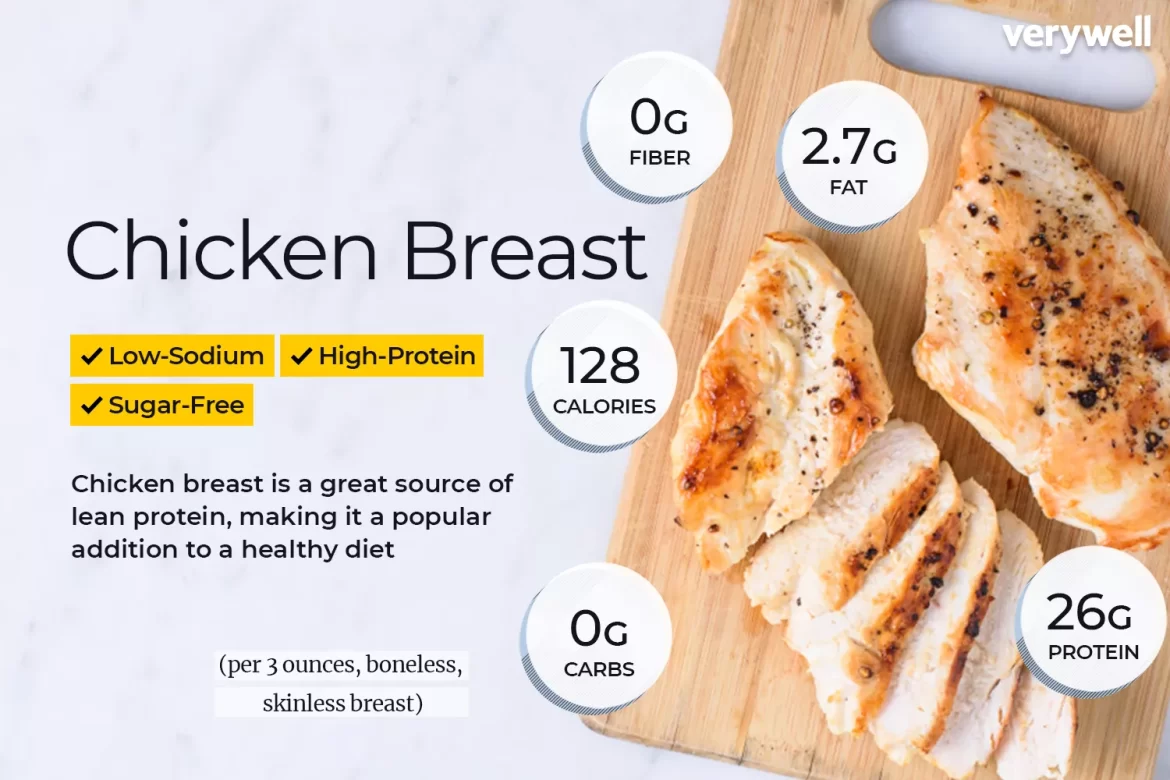
The chicken breast macros for one 3-ounce (85g) grilled, boneless, skinless piece are 26 grams of protein and 2.7 grams of fat with zero grams of carbohydrates. This serving size also has 128 calories. Note that many commercially packaged chicken breasts are much larger than 3 ounces. Thus, should you only eat one breast, you’re probably eating more than a single serving.

Calories

A full 80% of the calories in protein is found in chicken breasts. The rest comes from fat, as chicken breast has no carbohydrates. There are 128 calories in a single 3- ounce serving of skinless chicken breast. Chicken Breast Nutrition Facts and Health Benefits

Protein

Chicken breasts are a good source of lean protein and most of the chicken breast macros are protein. For people who eat meat, eating chicken is an easy way to meet some of your body’s protein needs without consuming a lot of fat. Depending on the cooking method you choose, chicken breasts are also naturally low in sodium.

Fats

Skinless chicken breast contains a small amount of fat, fewer than 3 grams. It is mostly unsaturated fat (there is less than 1 gram of saturated fat in a 3-ounce portion of skinless chicken breast). Chicken Breast Nutrition Facts and Health Benefits

If you keep the skin on your chicken breast, the fat, calorie, and protein counts will all be higher. A 3-ounce (85g) serving of roasted, broiled, or baked chicken breast with skin on provides 166 calories, 6.6 grams fat, and 25 grams protein.

Get your chicken breasts ready also often adds fat. In a pan, Olive oil is a good choice, you will, for example, the olive oil increases the amount of fat in your final prepared dish. Olive oil contains monounsaturated fat and polyunsaturated fat, both of which provide health benefits.

Carbs

Chicken breasts contain no sugar or starch (unless prepared with breading or seasonings), so they have no carbohydrates. The estimated glycemic load of chicken breast is zero. Chicken Breast Nutrition Facts and Health Benefits

Vitamins and Minerals

Chicken breast is a very good source of the selenium, phosphorus, vitamin B6, and niacin. Selenium is important for thyroid function and making DNA. Niacin and B6 are both in the family of water-soluble B vitamins that play an essential role in cellular functioning.

Health Benefits

The low-fat protein in chicken breast can offer many significant advantages, making this food a helpful addition to many eating plans. Specifically, the nutrients in chicken breast can help with muscle mass, bone health, appetite control, and even mood, rest, and sleep. Chicken Breast Nutrition Facts and Health Benefits

Builds and Maintains Muscle Mass

Protein helps your body maintain muscle mass and also helps build muscle in conjunction with a strength training program. Because chicken breast is high in protein, It is a component of a diet that can help you build muscle mass. Research shows that losses in muscle mass and strength are directly associated with mortality rates in older people.  So even if you aren’t trying to bulk up your muscles, preventing muscle loss is important regardless of age.

Strengthens Bones

Scientists and doctors once believed that a diet high in animal protein could reduce bone density and increase the risk of broken bones. However, more recent research shows that protein works with calcium to help protect bones. It’s crucial to consume enough protein to keep bones strong and healthy.

May Reduce Appetite

Eating protein makes you feel satisfied, which can help reduce food cravings and prevent overeating. One small study of overweight men on reduced-calorie diets, for example, found that those who ate more protein showed “improved appetite control and satiety.” The amount of protein in chicken breast makes it a good choice for you if you’re hoping to boost your satisfaction with meals. Chicken Breast Nutrition Facts and Health Benefits

Boosts Serotonin and Melatonin

Chicken breast contains tryptophan, an essential amino acid that helps regulate protein synthesis. Tryptophan also contributes to your brain’s ability to synthesize serotonin. People with inadequate serotonin may experience symptoms of depression or have trouble with memory. Tryptophan also plays a role in melatonin, an important hormone for sleep.

Allergies

Poultry allergies are rare but are certainly possible. Doctors suggest that an allergy to poultry is about as common as an allergy to red meat (but being allergic to one kind of meat does not mean you will be allergic to other meats). Sometimes people with egg allergy have a secondary allergy to poultry. In this kind of allergy, reactions usually happen when coming into contact with raw meat and not consuming cooked meat.

Adverse Effects

Individuals suffering from renal disease need to be cautious about consuming too much protein, especially in large portions. If you have kidney disease, talk to a healthcare provider about the best protein sources and amounts for you.

Since it is an animal protein, chicken breast is unsuitable for people on a plant-based (vegetarian or vegan) diet. Chicken Breast Nutrition Facts and Health Benefits

Varieties

You can purchase chicken breasts that are pre-trimmed and ready to use. In many grocery stores and bulk warehouses, you might also find chicken breasts that are frozen and individually wrapped. If you buy one of these convenient options, be sure to check the nutrition facts label. These varieties of chicken breast may contain more sodium.

You may also see various labels on chicken marketing it as organic, antibiotic-free, etc. The U.S. Department of Agriculture (USDA) regulates these terms:

  • Free range:“Producers must demonstrate to the Agency that the poultry has been allowed access to the outside.”
  • Natural:“A product containing no artificial ingredient or added color and is only minimally processed. Minimal processing means that the product was processed in a manner that does not fundamentally alter the product. The label must include a statement explaining the meaning of the term natural (such as “no artificial ingredients; minimally processed”).”
  • No hormones:Hormones are not allowed in raising hogs or poultry. Therefore, the claim ‘no hormones added’ cannot be used on the labels of pork or poultry unless it is followed by a statement that says “Federal regulations prohibit the use of hormones.”
  • No antibiotics:“The terms ‘no antibiotics added’ may be used on labels for meat or poultry products if sufficient documentation is provided by the producer to the Agency demonstrating that the animals were raised without antibiotics.”
  • Organic:There are specific rules about how chickens must be raised and cared for in order to be labeled organic. For example, they must be given 100% organic feed.

Storage and Food Safety

Raw chicken can harbor bacteria, such as Campylobacter and Salmonella, that can cause illness. Cooking chicken to at least 165 degrees F will kill the bacteria, but safe handling of the raw meat during preparation is important. Never wash or rinse raw chicken, and always thoroughly clean hands, utensils, and surfaces after handling raw chicken. Chicken Breast Nutrition Facts and Health Benefits

Both uncooked and cooked chicken should be kept in the refrigerator, where it will keep for a few days. Refrigerate or freeze leftover chicken within two hours of serving. Both raw and cooked chicken can also be frozen for up to nine months.

How to Prepare

How to cook a chicken breast can significantly change your meal’s fat and calorie count. Roasting, broiling, poaching, and grilling are generally the healthiest preparation methods if you want to limit fat in your meal. Breading your chicken, frying or sautéing it in butter or oil, or adding condiments such as barbecue sauce will add fat and calories. Chicken Breast Nutrition Facts and Health Benefits

Chicken Breast Recipes

There are many delicious ways to enjoy chicken breasts with spices and sauces. Try one of these flavorful healthy recipes:

  • Healthier Chicken Masala
  • Chicken Caesar Salad with Homemade Creamy Caesar Dressing
  • Low-Carb Creamy Southwest Chicken

0 comment
0 FacebookTwitterPinterestEmail
Plank

There are many benefits of doing a plank, as planks are an excellent abdominal and core exercise. To ensure you maintain a solid and sturdy core, add the move to your ab workout program. Keep reading to find out plank exercise benefits and different variations along with instructions.

What Is a Plank?

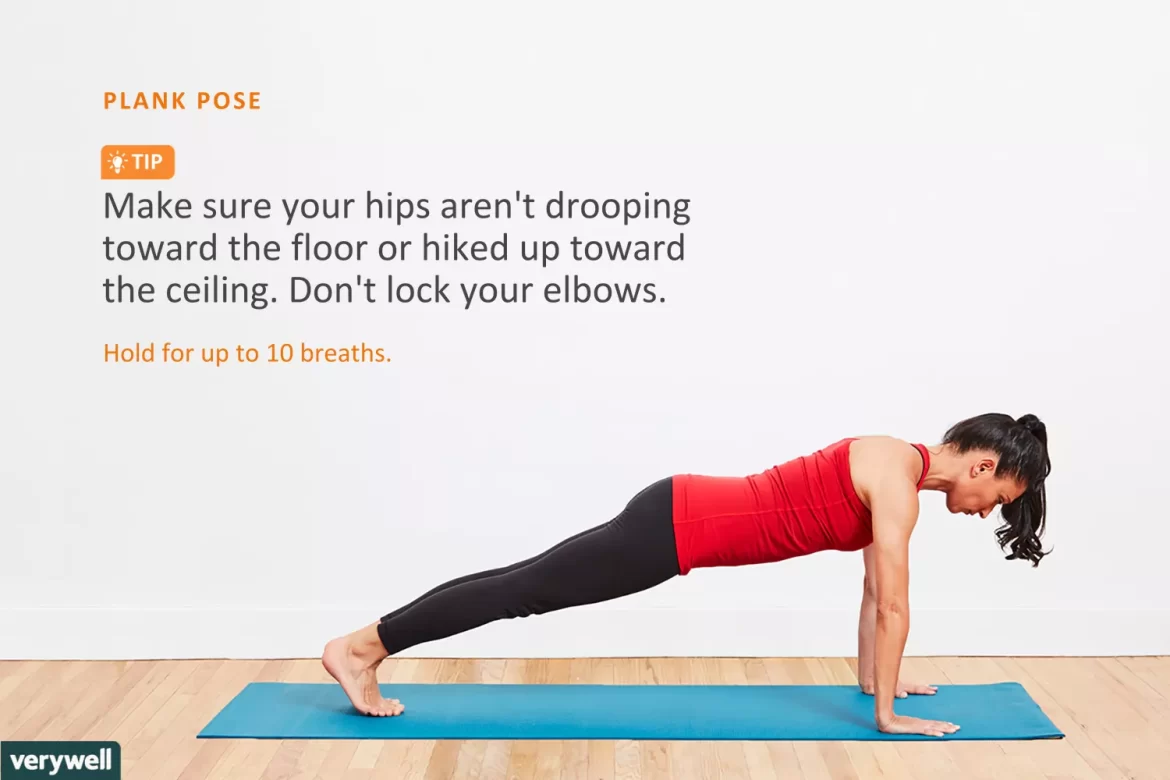
A plank involves balancing on toes and forearms as you hold the rest of your body off the ground. Your spine is kept in a neutral position and your head, torso, and legs are aligned. Planking is an isometric exercise since keep your core muscles contracted in one position.

How to Do a Plank: Proper Form, Variations, and Common Mistakes

How to Do a Plank

Select a position where you can extend your whole body length. Using a yoga mat or exercise mat will give you enough padding to be at ease on all fours. You can choose whether to perform a plank on your palms or your forearms, as shown in the video. A variety of wrist wraps are available to provide joint support.

  • Step 1: Begin in the plank position, face down with your forearms and toes on the floor. Your elbows are directly under your shoulders and your forearms are facing forward. Your head is relaxed and you should be looking at the floor.
  • Step 2: Engage your abdominal muscles, drawing your navel toward your spine. Keep your torso straight and rigid and your body in a straight line from your ears to your toes with no sagging or bending. This is the neutral spine position. Ensure your shoulders are down, not creeping up toward your ears. Your heels should be over the balls of your feet.
  • Step 3: Hold this position for 10 seconds. Release to floor.
  • Step 4: Over time work up to 30, 45, or 60 seconds.

Plank Benefits

Planking has numerous health advantages. Strengthening the core is an important aspect of any workout regimen. A strong and solid core looks and feels good. But more importantly, it helps to stabilize, balance, and power the body during just about every other activity. How to Do a Plank: Proper Form, Variations, and Common Mistakes

Core strength is the basis for all coordinated and powerful athletic movements. A strong core can reduce stress on the joints and allow you to achieve better posture.

The plank exercise can also be used as the basis for a core muscle strength and stability test. The plank is more of a strength-building exercise than a cardio exercise, however, by utilizing a range of muscles it can also help to boost your calorie burn. How to Do a Plank: Proper Form, Variations, and Common Mistakes

Plank Modifications and Variations

There are several variations of the plank that further work the core muscles to build strength and stability. There are also ways to modify it if you are a beginner.

Need a Modification?

If the plank seems challenging to you at first, try these two variations as you build up strength. How to Do a Plank: Proper Form, Variations, and Common Mistakes

Tabletop Plank

Practice plank from a tabletop position by actively pressing into your hands and pulling your abs in, which will help you learn how to keep your spine neutral, as pictured. You can also tuck your toes under and practice lifting your knees slightly off of the floor. Doing a plank with your knees bent and lifted can help take some of the pressure off of your feet as you build core strength. How to Do a Plank: Proper Form, Variations, and Common Mistakes

Incline Plank

You can also do an incline plank with your forearms or palms resting on a bench or step. Place your forearms or palms on a flat, elevated surface with your elbows directly under your shoulders. Walk your feet back until your body forms a straight line on a diagonal. Pull your abs in as you tuck your tailbone slightly and actively press into your forearms or palms. How to Do a Plank: Proper Form, Variations, and Common Mistakes

Up for a Challenge?

Try these variations to change up your plank and challenge your core strength even more.

Plank With Leg Lift

In order to perform a plank with a leg lift, start in plank position with your forearms and toes on the floor. To make this exercise a bit easier, you can perform the movement on your hands rather than your forearms.

  1. Slowly raise one leg 5 to 8 inches off the floor
  2. Count to two and slowly lower your leg to the floor.
  3. Switch legs and repeat.
  4. Do two to three sets of 10 reps.

Plank With Arm Lift

An other method to increase diversity to the basic plank is to add an arm lift, either by pressing into the opposite forearm or palm. To perform a plank with an arm lift, follow these steps:

  1. Start in plank position.
  2. Carefully shift your weight to your right forearm (or palm).
  3. Extend your left arm straight out in front of you.
  4. Hold for three seconds while keeping your core tight.
  5. Slowly bring your arm back to starting position.
  6. Switch arms and repeat.
  7. Do two to three sets of 10 reps.

Sets of Shorter Planks

Rather than doing a single plank for 30 seconds or more, some exercise routines say there are good benefits for doing a 10- to 15-second plank, resting for 30 seconds, and doing three to five sets. Your total time spent in the plank in an exercise session should be 60 seconds or less. How to Do a Plank: Proper Form, Variations, and Common Mistakes

Common Mistakes

Avoid these errors to get the most out of this exercise and to avoid strain or injury.

  • Arching your back: If you arch your back, you are not engaging your abdominals sufficiently and you are putting more of the weight onto your arms. Check to be sure you are keeping your shoulders down and wide.
  • Sagging your hips: Your hips will start sinking once your abs have reached their fatigue limit. That’s a sign it’s time to end your plank. If it seems your hips are sagging from the beginning, try separating your feet a bit wider and focus on engaging your abs.
  • Tilting your head up: Your neck should be in line with your body, not tilted up, which could strain the neck. Keep your gaze down at the floor.

Plank Safety and Precautions

Don’t try doing planks if you have a shoulder injury. If you feel shoulder pain, end the exercise. In pregnancy, planks are considered safe for most people though there may be a concern for placing stress on the abdominal wall. It may be best to modify the plank and do a side plank exercise or an incline plank. Talk to your doctor or physical therapist to see if this is an appropriate exercise. How to Do a Plank: Proper Form, Variations, and Common Mistakes

Frequently Asked Questions

What muscles do planks work?

The plank exercise works the entire core, including the abdominal muscles that run from the pelvis along the spine and up to the shoulder girdle.

Muscles worked during planks include:

  • Rectus abdominis, or top layer of core muscles at front of the pelvis
  • Transverse abdominis, or the deepest layer of core muscles that run horizontal like a corset
  • Obliques, which are core muscles that run along your sides of your abdomen
  • Erector spinae, which run along the length of your back
  • Shoulder stabilizers, which support the shoulders
  • Gluteus maximus, or the largest muscle of the buttocks and hips
  • Quadriceps,which run along the front of the thighs

How many calories does planking burn?

How many calories burned depends on your weight and length of time you hold the board. Typically, a 150-pound individual will burn about 3 to 4 calories a minute holding a plank.

What do planks help with?

Planks are great for building core strength and stability, which helps improve balance and coordination during everyday activities. A strong core can also support you during other forms of athletic or physical activity and can even help protect your lower back from injury

0 comment
0 FacebookTwitterPinterestEmail
Recipe Nutrition

Editing Your Recipe

You can edit your recipe at any point.

Editing ingredients: Hit the pencil icon next to the ingredient name if you’d like to edit or delete individual ingredients. To add new ingredients, hit “+Add Ingredient.”

Servings: Select your preferred number from the “Number of Servings” dropdown.

Starting over: Choose “Analyze New Recipe” or “Start Over.” Note that these options will delete the current information, so if you want to save your current analysis make sure to grab the embed code! Try Our Recipe Nutrition Calculator

Saving and Embedding the Nutrition Label

You can easily save the nutrition label by preserving the given embed code. Once you’ve finalized your ingredients and servings click or tap “embed this label,” located under the nutrition label, to provide a code that can be inserted into your blog or save to reference later. Try Our Recipe Nutrition Calculator

Making the Most of the Recipe Nutrition Analyzer

The nutrition facts label is useful if you’re tracking calories or just want to be more informed about your diet, but this recipe calculator is also helpful for making smarter food decisions.

Here are a few tips for how to make the most of it.

  • Ingredient swaps: Take a look at the calorie breakdown for individual ingredients if you’d like to adjust the calorie content of your recipe. Knowing where the calories are coming from can help you pinpoint specific ingredients to swap out or adjust quantities for.
  • Ingredient comparisons: How much of a difference will using whole milk versus low-fat milk make? Analyze a recipe with one ingredient, then edit it to use the second and compare the nutrition facts.
  • Recipe comparisons: Analyze multiple recipes and compare the nutrition labels to help you decide which is better for your diet and demands that are particular to nutrition. Try Our Recipe Nutrition Calculator

Troubleshooting Errors With the Recipe Analyzer

You might see an error message pop up once you analyze your recipe. Here are a handful typical ones and how to fix them:

  • Ingredient not recognized, please try editing:click or tap the ingredient for a dropdown of options to choose from. When you choose the correct one, hit “update.”
  • Measurement not recognized, please try editing: click or tap the pencil icon next to the ingredient name. Choose a measurement from the dropdown, then hit “update.” You can also easily convert the measurement with a unit converter if needed, to match the listings available. Try Our Recipe Nutrition Calculator

Please make sure that you are using the most up-to-date version of your web browser in order to avoid potential errors. This recipe analyzer is not compatible with Internet Explorer.

0 comment
0 FacebookTwitterPinterestEmail
Calories Converter

When calculating your calories burned per step, the number will depend on your weight and height. For instance, a typical 160-pound person of average height will burn about 40 calories per 1,000 steps. This is the equivalent of 0.04 calories per step. The charts below show you how many calories you’d burn in 1,000 steps, 5,000 steps, 10,000 steps, or more. This is what you require to know about converting your steps to calories burned.

Steps to Calories Converter

Convert Your Steps to Calories

To convert your steps to calories burned, you will need to know your approximate steps per mile. Most fitness trackers estimate your steps per mile from your height. An average number at a brisk walk or easy running pace is 2,000 to 2,400 steps per mile.

You also can measure your stride length to find your steps per mile or count your steps over a measured mile for greater accuracy. Alternatively, a steps-per-mile chart is one option, along with your height and weight, to estimate calories burned at various step counts. The calorie numbers are based on metabolic equivalents (MET) research, taking an average of the calories burned at walking speeds from 2 to 4 miles per hour.

Here are some charts that are based on height and weight. These will give you an approximate number of calories burned per step. Steps to Calories Converter

How Many Calories is 10,000 Steps Per Day?

How many calories you use while walking 10,000 steps a day will vary widely based on factors such as body size, age, genetics, pace (brisk or slow), and terrain (steep hills or mostly flat ground). See the charts below to get general estimates according to weight and height.

Height 6 Feet and Above

For an estimate of calories, use the chart below burned by step count if your height is 6 feet or more. This assumes that you take 2,000 steps per mile.  Steps to Calories Converter

2,000 Steps per Mile (Height 6 Feet and Above) Calories Burned by Step Count and Weight
Weight 100 lb 120 lb 140 lb 160 lb 180 lb 200 lb 220 lb 250 lb 275 lb 300 lb
Steps 45 kg 55 kg 64 kg 73 kg 82 kg 91 kg 100 kg 114 kg 125 kg 136 kg
1,000 28 cal. 33 38 44 49 55 60 69 75 82
2,000 55 66 76 87 98 109 120 137 150 164
3,000 83 99 114 131 147 164 180 206 225 246
4,000 110 132 152 174 196 218 240 274 300 328
5,000 138 165 190 218 245 273 300 343 375 410
6,000 165 198 228 261 294 327 360 411 450 492
7,000 193 231 266 305 343 382 420 480 525 574
8,000 220 264 304 348 392 436 480 548 600 656
9,000 248 297 342 392 441 491 540 617 675 738
10,000 275 330 380 435 490 545 600 685 750 820
11,000 303 363 418 479 539 600 660 754 825 902
12,000 330 396 456 522 588 654 720 822 900 984
13,000 358 429 494 566 637 709 780 891 975 1,066
14,000 385 462 532 609 686 763 840 959 1,050 1,148
15,000 413 495 570 653 735 818 900 1,028 1,125 1,230
16,000 440 528 608 696 784 872 960 1,096 1,200 1,312
17,000 468 561 646 740 833 927 1,020 1,165 1,275 1,394
18,000 495 594 684 783 882 981 1,080 1,233 1,350 1,476
19,000 523 627 722 827 931 1,036 1,140 1,302 1,425 1,558
20,000 550 660 760 870 980 1,090 1,200 1,370 1,500 1,640

Height 5’6″ to 5’11”

Use the chart below to estimate calories burned by step count if your height ranges from 5 feet 6 inches to 5 feet 11 inches. This assumes that you take 2,200 steps per mile.   Steps to Calories Converter

2,200 Steps per Mile (Height 5’6″ to 5’11”) Calories Burned by Step Count and Weight
Weight 100 lb 120 lb 140 lb 160 lb 180 lb 200 lb 220 lb 250 lb 275 lb 300 lb
Steps 45 kg 55 kg 64 kg 73 kg 82 kg 91 kg 100 kg 114 kg 125 kg 136 kg
1,000 25 cal. 30 35 40 45 50 55 62 68 75
2,000 50 60 69 79 89 99 109 125 136 149
3,000 75 90 104 119 134 149 164 187 205 224
4,000 100 120 138 158 178 198 218 249 273 298
5,000 125 150 173 198 223 248 273 311 341 373
6,000 150 180 207 237 267 297 327 374 409 447
7,000 175 210 242 277 312 347 382 436 477 522
8,000 200 240 276 316 356 396 436 498 545 596
9,000 225 270 311 356 401 446 491 560 614 671
10,000 250 300 345 395 445 495 545 623 682 745
11,000 275 330 380 435 490 545 600 685 750 820
12,000 300 360 415 475 535 595 655 747 818 895
13,000 325 390 449 514 579 644 709 810 886 969
14,000 350 420 484 554 624 694 764 872 955 1,044
15,000 375 450 518 593 668 743 818 934 1,023 1,118
16,000 400 480 553 633 713 793 873 996 1,091 1,193
17,000 425 510 587 672 757 842 927 1,059 1,159 1,267
18,000 450 540 622 712 802 892 982 1,121 1,227 1,342
19,000 475 570 656 751 846 941 1,036 1,183 1,295 1,416
20,000 500 600 691 791 891 991 1,091 1,245 1,364 1,491

Height 5’5″ and Under

Use the chart below to estimate calories burned by step count if you are 5 feet 5 inches or less. Assumed here is a step count of 2,400 per mile. Steps to Calories Converter

2,400 Steps per Mile (Height 5’5″ and Under) Calories Burned by Step Count and Weight
Weight 100 lb 120 lb 140 lb 160 lb 180 lb 200 lb 220 lb 250 lb 275 lb 300 lb
Steps 45 kg 55 kg 64 kg 73 kg 82 kg 91 kg 100 kg 114 kg 125 kg 136 kg
1,000 23 cal. 28 32 36 41 45 50 57 63 68
2,000 46 55 63 73 82 91 100 114 125 137
3,000 69 83 95 109 123 136 150 171 188 205
4,000 92 110 127 145 163 182 200 228 250 273
5,000 115 138 158 181 204 227 250 285 313 342
6,000 138 165 190 218 245 273 300 343 375 410
7,000 160 193 222 254 286 318 350 400 438 478
8,000 183 220 253 290 327 363 400 457 500 547
9,000 206 248 285 326 368 409 450 514 563 615
10,000 229 275 317 363 408 454 500 571 625 683
11,000 252 303 348 399 449 500 550 628 688 752
12,000 275 330 380 435 490 545 600 685 750 820
13,000 298 358 412 471 531 590 650 742 813 888
14,000 321 385 443 508 572 636 700 799 875 957
15,000 344 413 475 544 613 681 750 856 938 1,025
16,000 367 440 507 580 653 727 800 913 1,000 1,093
17,000 390 468 538 616 694 772 850 970 1,063 1,162
18,000 413 495 570 653 735 818 900 1,028 1,125 1,230
19,000 435 523 602 689 776 863 950 1,085 1,188 1,298
20,000 458 550 633 725 817 908 1,000 1,142 1,250 1,367

If you are looking to increase calories burned when strolling, you can try speeding up, doing running intervals, and using fitness walking poles. Most fitness trackers don’t accurately track activities that aren’t step-based, so they may not be included in your total steps. You can calculate step equivalents for other activities based on the calories burned.

0 comment
0 FacebookTwitterPinterestEmail